

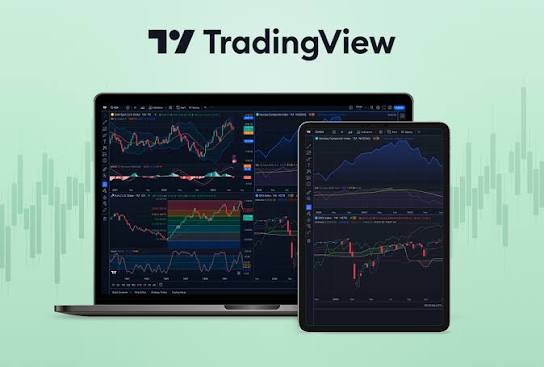
South Korean traders are not inherently more inclined to explore new infrastructure than traders elsewhere, but the systematic research and practical testing that their analytical culture has normalized means they engage with new options more thoroughly than most. Once the broker integration function developed beyond a niche support feature, Korean traders who investigated it discovered both more capability than a simple broker-swap decision suggested and more to consider than it initially appeared. It is a combination of genuine enthusiasm for the capability and careful consideration of the complexity involved that defines how the Korean trading community has approached the category of TradingView brokers.
The idea of a unified analysis and execution environment is abstract until it is implemented in practice, and when broker integration is put into actual use, its impact on Korean traders’ productivity becomes tangible. The transition between the two platforms had become so habitual that it no longer registered as friction but simply as part of the trading process. A sustained session with direct execution through the integrated broker reveals the cognitive cost of the previous transition in a way that is difficult to ignore once experienced. This has been reported within the Korean trading community frequently enough to indicate that it is a consistent experience rather than an isolated one.
Broker integration has introduced specific considerations into the evaluation process that Korean traders have had to develop new frameworks to address. The regulatory verification Korean traders conduct does not change: a broker that does not meet the regulatory standards applicable to Korean retail traders remains unacceptable regardless of its integration status. The integration adds one distinct dimension to the assessment, namely the ability to evaluate execution quality through the integrated interface directly, which Korean traders have found does not automatically reflect the execution quality available on the broker’s native platform. Community members who have shared their evaluation experiences have established that systematic testing of the integrated execution environment has become a standard component of broker assessment for Korean traders exploring this category.
The instrument availability through the integration has produced unexpected results in both directions depending on the broker reviewed. Some brokers with comprehensive native platform coverage offered a more limited instrument set through the integration, reflecting the development investment required to bring each instrument into the integrated environment. Others with more limited native coverage had invested in broader integration, making the integrated account more capable for certain instruments than the native platform. Korean traders who identified these discrepancies have made instrument availability verification within the integrated interface a standard part of their broker assessment process, recognizing that native platform coverage and integrated coverage do not reliably correspond.
Community knowledge about integrated broker evaluation has spread through the same channels as broker evaluation knowledge generally. Traders sharing detailed execution testing results for specific brokers in KakaoTalk groups, forum discussions documenting integrated execution quality across various brokers, and study group sessions systematically addressing the process of evaluating TradingView brokers have collectively built a practically useful body of intelligence. Traders new to this category can draw on that community experience to direct their testing toward the factors that matter most rather than duplicating research that the community has already conducted.
What the South Korean experience with this category reveals is the genuine maturity of the broker integration layer, extending well beyond a limited feature supporting a few simple use cases. The systematic evaluation culture of the Korean trading community has produced collective assessment that benefits later participants by providing evidence-based guidance on what the integrated execution experience actually involves across different broker relationships. One of the more consistent positive outcomes of Korea’s research-oriented trading culture is that it converts the effort any individual invests in evaluating a broker into community knowledge, compounding the decision-making capacity of the broader participant base.