

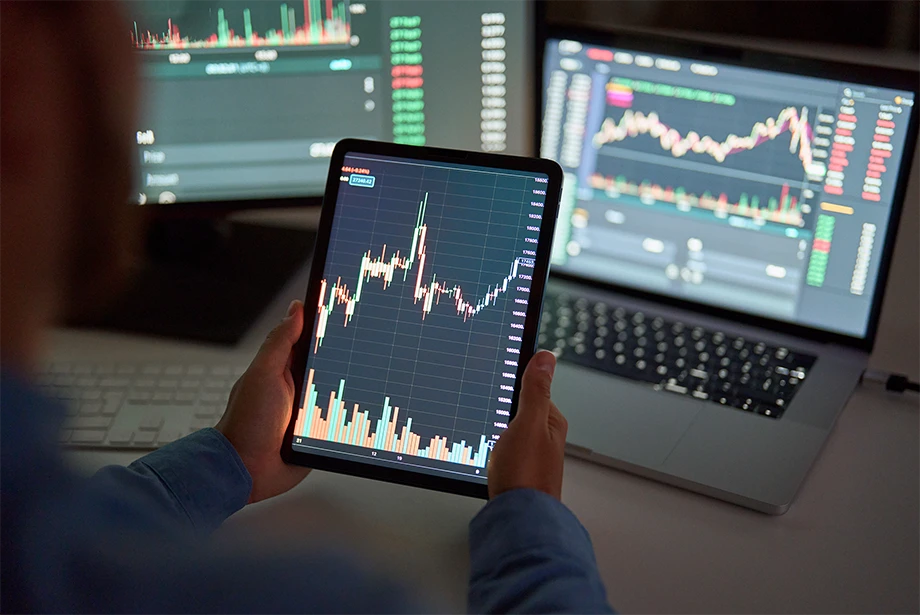
Every currency pair looks different depending on the window traders choose to view it through, and that simple fact gets overlooked far too often when people first start researching how to trade forex. A chart set to one-minute candles tells a completely different story from the same pair viewed on a daily timeframe, and beginners often jump straight into strategy selection without realizing that timeframe choice shapes almost everything downstream.
Scalpers and long-term position traders are technically looking at the same market, yet their day-to-day experience of it barely overlaps. Traders glued to five-minute charts react to noise that swing traders would never even notice, while those holding positions for weeks tune out fluctuations that would send scalpers straight into a stop-loss. Neither approach is inherently superior, but mismatching a trading style to an unsuitable timeframe tends to produce frustration long before it produces losses. Lifestyle constraints influence this decision in ways most beginners initially fail to anticipate. People working a standard nine-to-five job rarely have the screen time available to manage a scalping strategy that demands constant attention during volatile sessions, and forcing that mismatch usually ends with missed exits or emotional decisions made in the thirty seconds between checking a phone and closing a laptop. Swing trading or position trading suits a schedule with limited daily availability far better, since entries and exits can be planned around longer stretches of price movement, without needing constant real-time reaction.
Volatility characteristics shift across timeframes in ways that catch newcomers off guard. A pair that is calm and orderly on a 4-hour chart can look like a mess of confusion and directionless waves when squeezed into 1-minute chunks. Traders that move directly to the smaller timeframes without recalibrating their expectations often confuse noise for a signal worth trading on. Understanding how to trade forex effectively usually starts with recognizing which timeframe actually matches both traders’ temperaments and the amount of noise they can tolerate without second-guessing every candle.
Backtesting reveals another reason timeframe selection deserves attention before strategy design. A moving average crossover that performs reliably on daily charts might generate constant false signals when applied to a fifteen-minute chart, since the underlying logic was never built to filter noise at that resolution. Traders who backtest a strategy across multiple timeframes before committing capital tend to develop a much clearer sense of where their edge, if any, actually holds up under different conditions.
Session overlap adds a layer that purely technical analysis sometimes ignores. The hours when London and New York trading sessions overlap bring liquidity and volatility that shorter-timeframe traders often depend on, while those working from daily charts might barely notice which session is active at any given moment. Aligning a chosen timeframe with the right session window can matter as much as the indicators layered on top of it.
Psychological fit matters a great deal, a factor many technical explanations overlook. Traders who feel anxious watching price move in real time will likely struggle on short timeframes regardless of how sound the underlying strategy looks on paper, while those who find slow-moving charts boring may abandon a position-trading approach out of impatience long before it has time to play out. Matching temperament to timeframe often determines whether a strategy gets followed consistently or abandoned after the first uncomfortable drawdown.